
User Score
21 votes
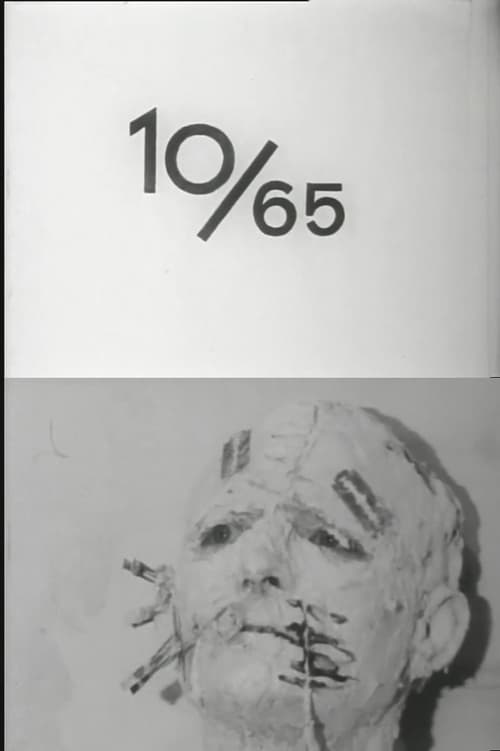
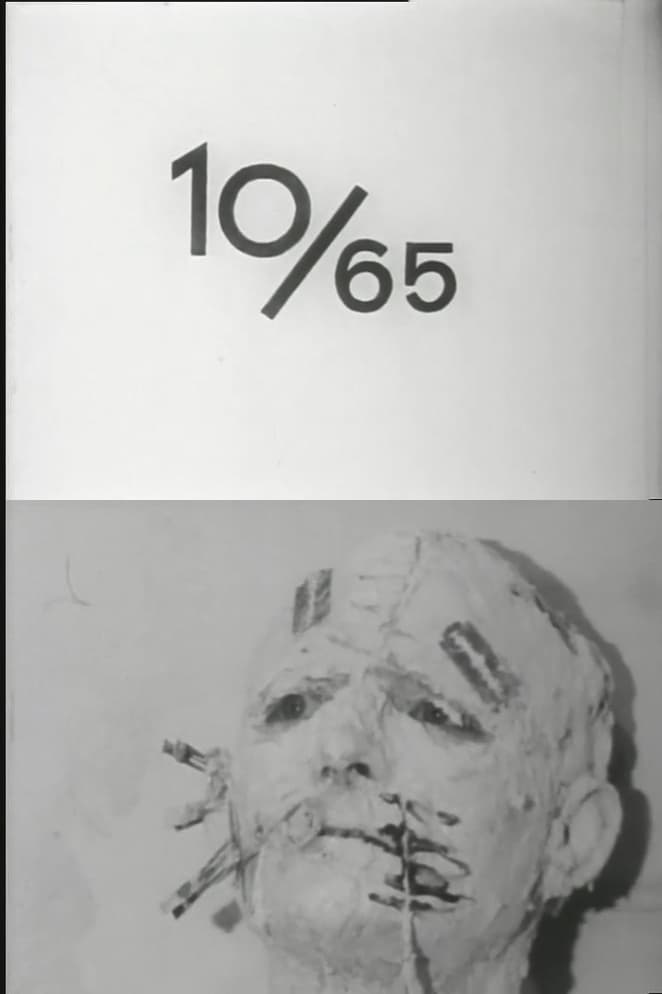
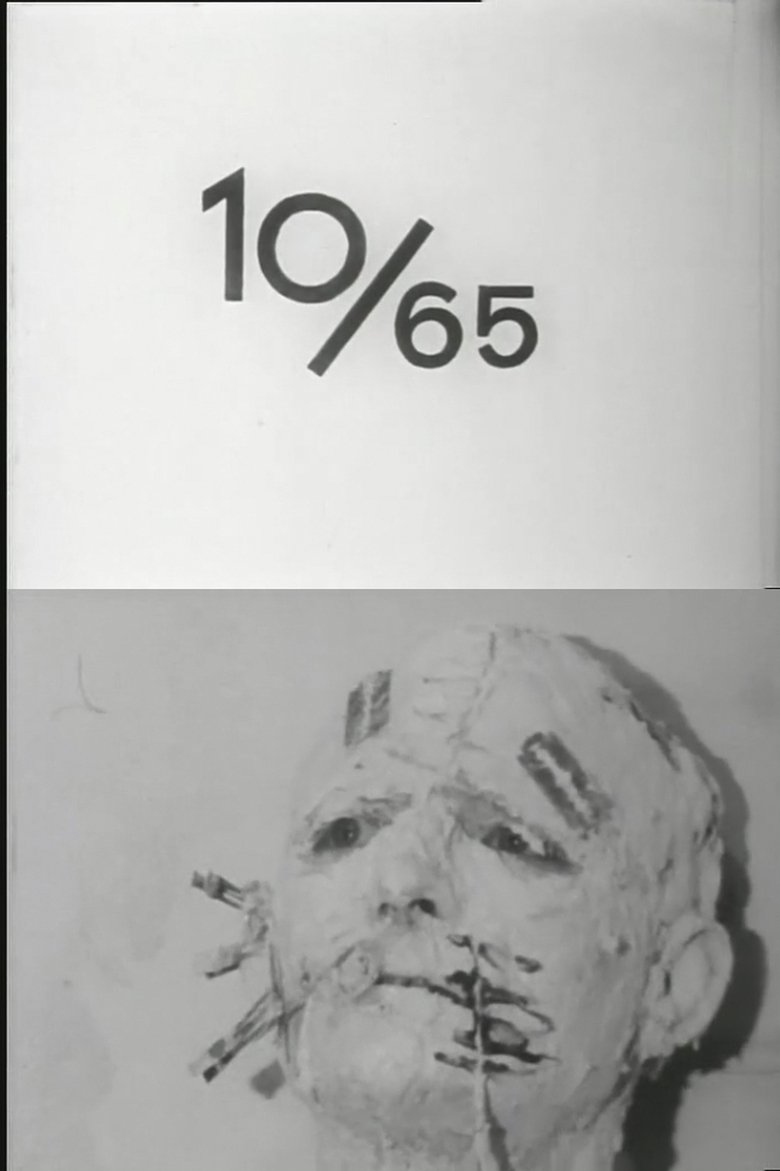
Kren’s 10/65 Selfmutilation is developed from a Gunter Brus “action”. What the film emphasizes is the surrealistic drama of symbolic self-destruction that Kren drew out of Brus’ action, pacing out each gesture so that one gets a tense, iconoclastic revelation of a man covered in white plaster lying surrounded by razor blades and a range of instruments looking as if they have been taken from an operating theatre. The blades, scissors and scalpels are gradually inserted into him in a ritualistic self-operation. (Stephen Dwoskin)
Director
Status
Released
Original Language
DE
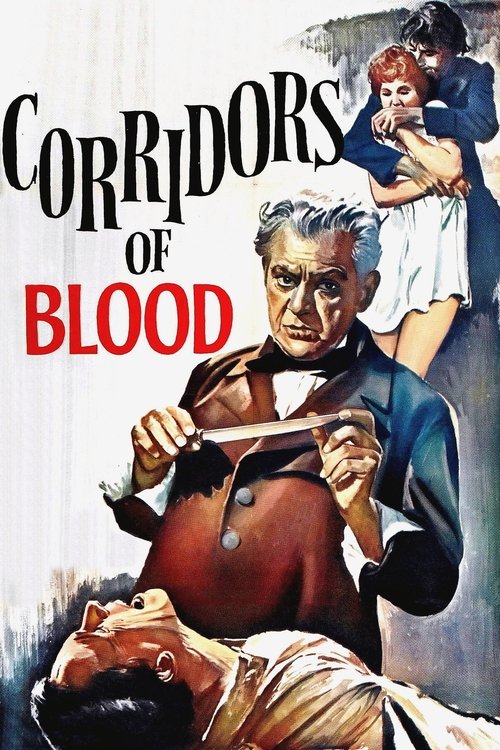
In 1840s London, Dr. Thomas Bolton [Boris Karloff] dares to dream the unthinkable: experimenting with anesthesia gases to make surgery pain-free. While doing so, his demonstration before a panel of his peers ends in a horrific mishap with his patient awakening under the knife; he is forced to leave his position in disgrace. To complicate matters, he becomes addicted to his own chemical experiments and gets involved with a criminal gang led by Black Ben [Francis de Wolff], and a ruthless killer Resurrection Joe [Christopher Lee]. Unfortunately, this shady partnership leads Dr. Bolton to further ruin, culminating in his unwitting participation in murder — for which he becomes the first victim of a blackmail scheme.